Best Emotional Support Animals for North Carolina Apartments — A Clinician-vetted Lineup
When selecting an emotional support animal for apartment living in North Carolina, the therapeutic bond between you and your companion takes precedence—but practical considerations matter too. Licensed mental health professionals who evaluate clients for ESA letters consistently observe that certain animals adapt more readily to smaller living spaces while still providing meaningful emotional support. Understanding which species and breeds tend to thrive in apartment environments can help you make an informed decision that benefits both your mental health and your housing situation.
Under the Fair Housing Act and HUD's FHEO-2020-01 notice, North Carolina landlords must provide reasonable accommodations for emotional support animals when supported by a valid ESA letter from a licensed mental health professional. However, choosing an apartment-appropriate companion reduces potential conflicts and ensures your ESA can flourish in your living environment. This clinician-informed guide examines the most suitable emotional support animals for North Carolina apartment dwellers, considering factors like space requirements, noise levels, and care demands.
1. Small to Medium Dogs: The Classic Apartment Companions
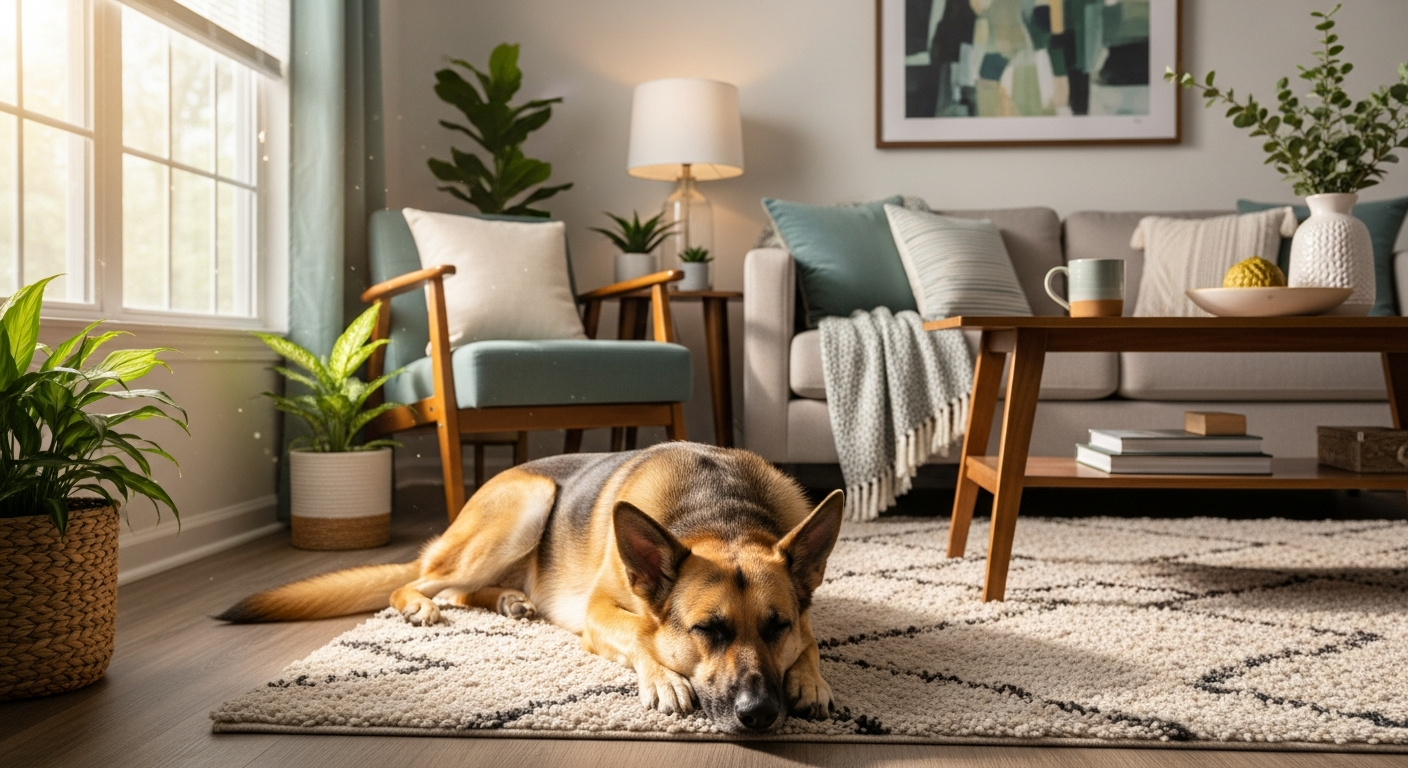
Dogs remain the most common emotional support animals, and for good reason—their capacity for emotional attunement and companionship is well-documented in clinical literature. For North Carolina apartment living, small to medium breeds typically offer the optimal balance of emotional support capabilities and space adaptability. Breeds like Cavalier King Charles Spaniels, French Bulldogs, and Boston Terriers have been bred for companionship and generally exhibit calmer temperaments suitable for close-quarters living.
Licensed clinicians often note that clients with anxiety disorders or depression may particularly benefit from a dog's natural ability to provide routine, encourage physical activity through walks, and offer tactile comfort through their presence. However, apartment-dwelling dog owners must commit to consistent exercise routines and proper training to prevent behavioral issues that could strain relationships with neighbors or property management.
Practical takeaway: If you're considering a dog as your ESA, research apartment-friendly dog breeds specific to North Carolina and ensure you can provide adequate exercise and mental stimulation within your apartment's constraints.
2. Cats: Low-Maintenance Emotional Regulators
Cats offer unique therapeutic benefits for apartment dwellers, particularly their ability to provide comfort without demanding intensive daily care routines. The rhythmic vibrations of a cat's purr have been shown to have physiological calming effects, potentially reducing cortisol levels and blood pressure. For individuals managing anxiety, depression, or PTSD, a cat's independent yet affectionate nature can provide emotional stability without overwhelming caregiving responsibilities.
In North Carolina apartments, cats excel as emotional support animals because they require minimal space, produce relatively little noise, and adapt well to indoor environments. Their litter box requirements are manageable in apartment settings, and their exercise needs can be met through indoor play. Mental health professionals frequently observe that cat owners develop beneficial daily routines around feeding and care that can provide structure for those experiencing depression or anxiety disorders.
Practical takeaway: Cats can be ideal apartment ESAs for those seeking a lower-maintenance companion. Learn more about selecting quiet, apartment-appropriate cat breeds for North Carolina residents.
3. Rabbits: Gentle, Quiet Therapeutic Partners
Rabbits represent an increasingly recognized option for apartment-based emotional support animals, particularly for individuals who may be allergic to cats and dogs or prefer a quieter companion. These animals can form strong bonds with their owners and provide tactile comfort through their soft fur and gentle demeanor. Licensed mental health professionals have observed that rabbit care routines—including daily feeding, grooming, and supervised exercise—can provide beneficial structure for clients managing depression or anxiety.
From a practical apartment-living perspective, rabbits are naturally quiet animals that rarely disturb neighbors, making them excellent choices for noise-sensitive housing situations. They can be litter-trained and require relatively modest space when provided with appropriate exercise opportunities. However, rabbits do require specialized veterinary care and a diet of fresh vegetables and hay, which potential ESA owners should consider when evaluating their caregiving capacity.
Practical takeaway: Rabbits can be excellent apartment ESAs for the right person. Research the specific requirements of keeping rabbits as emotional support animals in North Carolina before making this commitment.
4. Guinea Pigs: Social, Manageable Companions
Guinea pigs offer unique therapeutic benefits as emotional support animals, particularly their social nature and gentle temperament. These animals are known for their ability to recognize their owners and can provide comfort through their soft vocalizations and affectionate behavior. For individuals managing loneliness, mild anxiety, or depression, guinea pigs can offer companionship without the space and exercise requirements of larger animals.
In North Carolina apartments, guinea pigs are particularly well-suited due to their compact habitat requirements and relatively simple care needs. They thrive in pairs, which can provide additional emotional enrichment for owners who enjoy observing their social interactions. Their cage requirements are manageable in apartment settings, and their diet consists primarily of pellets, hay, and fresh vegetables that are readily available in North Carolina grocery stores.
Practical takeaway: Guinea pigs work well for apartment dwellers seeking smaller, social ESAs, but consider adopting a pair for their social needs and ensure you can provide proper ventilation and daily care.
5. Birds: Intelligent, Interactive Emotional Support
Certain bird species can serve as exceptional emotional support animals for apartment residents, particularly cockatiels, budgerigars, and conures. These intelligent animals can form strong bonds with their owners and provide interactive companionship through their ability to learn routines, respond to their owner's presence, and even learn to vocalize. Mental health professionals note that bird care requires consistent daily interaction, which can provide beneficial routine and purpose for individuals managing depression.
Birds are naturally suited to apartment living due to their compact habitat requirements and ability to thrive in indoor environments. However, potential ESA owners should consider that some bird species can be quite vocal, particularly in the morning and evening, which may impact relationships with neighbors in apartment settings. Additionally, birds require specialized diets, regular veterinary care, and daily social interaction to maintain their psychological well-being.
Practical takeaway: Birds can provide exceptional emotional support but require daily interaction and can be noisy. Research species-specific needs and noise levels before selecting a bird as your apartment ESA.
6. Fish: Calming, Low-Maintenance Therapeutic Presence
While fish may not provide the interactive companionship of mammals or birds, they offer unique therapeutic benefits that licensed mental health professionals have observed in clinical practice. Aquarium watching has been shown to reduce anxiety and lower blood pressure, while the routine care of fish can provide beneficial structure for individuals managing depression. The gentle movement and colors of fish can serve as a form of moving meditation, particularly beneficial for those experiencing high stress or anxiety disorders.
For North Carolina apartment dwellers, fish represent one of the most apartment-friendly emotional support animals available. They require minimal space, produce no noise, and pose virtually no risk of property damage. Modern aquarium technology allows for relatively simple maintenance routines, and many apartment-appropriate fish species are hardy and forgiving of minor care inconsistencies. However, fish do require consistent water quality management and appropriate heating/filtration systems.
Practical takeaway: Fish can provide therapeutic benefits through routine care and calming observation, making them ideal for very space-limited apartments, though they offer less interactive emotional support than other animals.
7. Ferrets: Playful, Affectionate Apartment Adapters
Ferrets can serve as engaging emotional support animals for apartment residents who can accommodate their higher energy levels and social needs. These intelligent, playful animals form strong bonds with their owners and can provide interactive companionship and emotional comfort. Their playful nature can be particularly beneficial for individuals managing depression, as ferret care and interaction naturally encourage engagement and activity.
In apartment settings, ferrets are relatively space-efficient when provided with appropriate multi-level caging and supervised exercise time. They can be litter-trained and generally adapt well to indoor living. However, ferrets require significant daily interaction, ferret-proofed exercise areas, and specialized veterinary care. Additionally, potential ESA owners should verify that ferrets are legal in their specific North Carolina municipality, as some local ordinances may restrict ferret ownership.
Practical takeaway: Ferrets can be excellent apartment ESAs for active owners willing to provide substantial daily interaction, but verify local legality and ensure you can meet their substantial social and exercise needs.
Choosing Your Ideal Apartment ESA: Clinical Considerations
When evaluating potential emotional support animals for North Carolina apartment living, licensed mental health professionals recommend considering both therapeutic compatibility and practical feasibility. The most successful ESA relationships occur when the animal's care requirements align with the owner's daily capacity and when the animal's temperament complements the owner's specific mental health needs. For individuals managing anxiety disorders, calm, predictable animals may be most beneficial, while those experiencing depression might benefit from more interactive, engaging companions.
It's essential to understand that proper training and socialization can significantly impact any animal's suitability for apartment living. Even naturally apartment-friendly animals require appropriate preparation for close-quarters living and exposure to the sounds, smells, and rhythms of apartment life. Additionally, establishing care routines that work within apartment constraints—such as indoor exercise for dogs or proper ventilation for small mammals—is crucial for both animal welfare and successful tenancy.
Practical takeaway: The best apartment ESA is one whose needs you can realistically meet while receiving therapeutic benefit from their companionship. Consider your lifestyle, schedule, and apartment's specific limitations when making your choice.
North Carolina ESA Housing Rights and Apartment Living
Under the Fair Housing Act and HUD's FHEO-2020-01 notice, North Carolina residents with valid ESA letters from licensed mental health professionals have the right to reasonable accommodations in most housing situations, including apartments that typically maintain "no pets" policies. This federal protection extends to both rental properties and condominiums, with limited exceptions for very small landlords (properties with four or fewer units where the landlord lives in one unit) and some senior housing facilities.
However, successful apartment living with an emotional support animal requires understanding both your rights and responsibilities as a tenant. While landlords cannot charge pet deposits or monthly pet fees for ESAs, they can hold tenants responsible for any property damage caused by their animals. Additionally, ESA owners must ensure their animals do not pose a direct threat to other residents or cause substantial property damage. Understanding these nuances can help prevent conflicts and ensure a positive relationship with property management.
For detailed information about securing appropriate housing accommodations, review the process for obtaining a North Carolina ESA housing letter that complies with FHA requirements. Remember that only letters issued by licensed mental health professionals licensed in North Carolina can provide valid legal protection under federal housing law.
Practical takeaway: Understanding your FHA rights and tenant responsibilities ensures successful apartment living with your ESA while maintaining positive relationships with landlords and neighbors.
Making the Right Choice: Next Steps for North Carolina Residents
Selecting the best emotional support animal for your North Carolina apartment requires careful consideration of your specific mental health needs, living situation, and caregiving capacity. The animals outlined in this guide represent clinically-observed successful apartment ESAs, but the right choice varies significantly based on individual circumstances. Licensed mental health professionals can help evaluate whether an ESA is therapeutically appropriate for your situation and, if so, which type of animal might best support your mental health goals.
Before acquiring any emotional support animal, ensure you can provide appropriate veterinary care, daily maintenance, and long-term commitment regardless of housing changes. Research your specific apartment complex's policies, even though FHA protections apply, as understanding management's perspective can facilitate smoother accommodation processes. Additionally, consider connecting with local pet stores, veterinarians, and animal rescue organizations to better understand the practical aspects of caring for your chosen species in North Carolina's climate and urban environments.
Disclaimer: This article provides general informational content about emotional support animals and housing considerations. It does not constitute medical, mental health, or legal advice. For personalized guidance about whether an ESA is appropriate for your mental health needs, consult with a North Carolina-licensed mental health professional. For housing-related legal questions or disputes, consult with a North Carolina-licensed attorney or contact your local legal aid office. ESA letters can only be issued by licensed mental health professionals who have established a therapeutic relationship with the client and determined that an ESA is clinically appropriate for their mental health treatment.
Ready to start your North Carolina ESA letter?
Licensed North Carolina clinician review. Compliant with state law.
Get My North Carolina ESA Letter